


“You don’t have to bullshit me.
More importantly, you don’t have to bullshit yourself.”
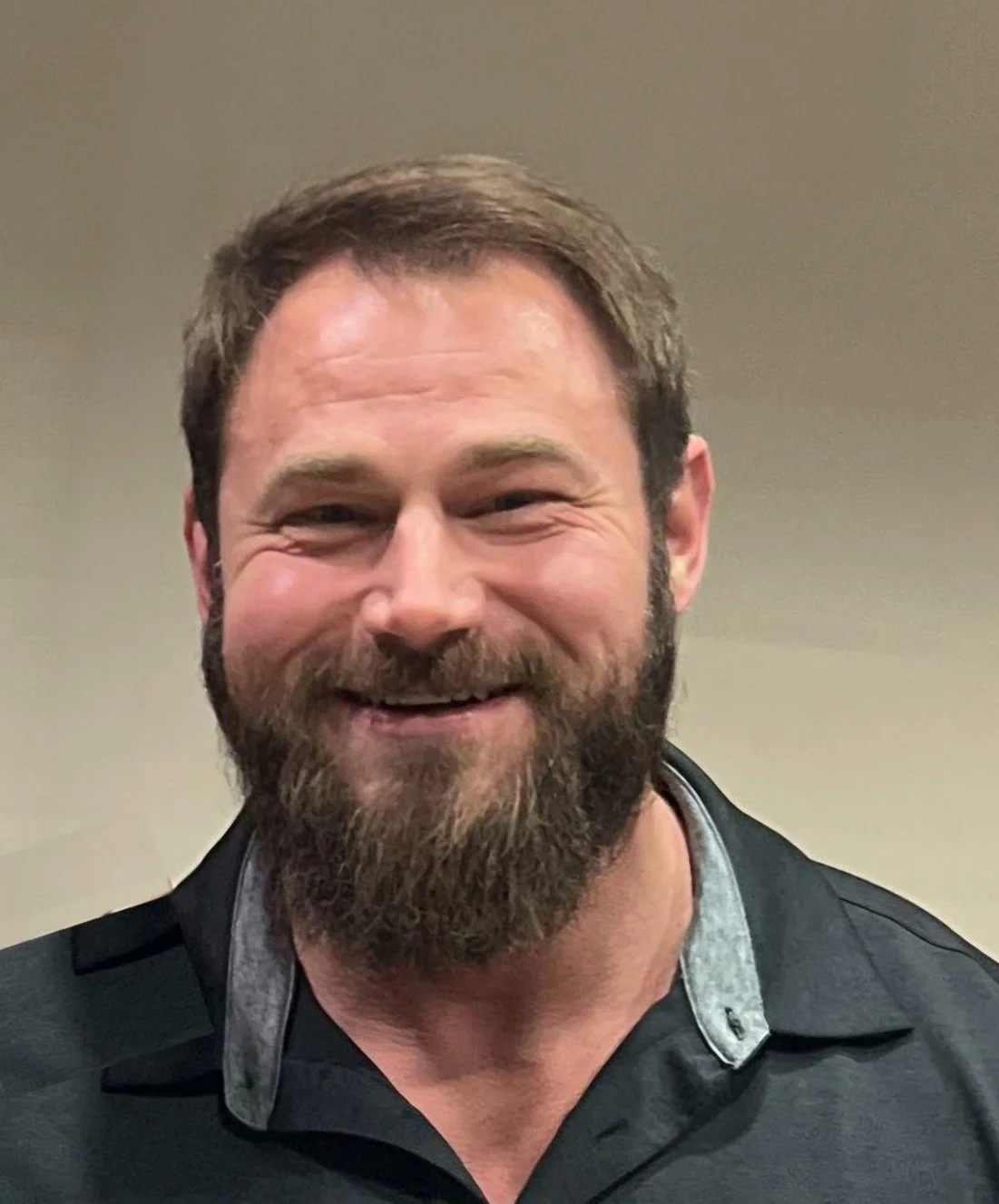
Charlie Ray, LMSW
Therapy for adults in St. Louis.
I work with adults navigating trauma, PTSD, substance use and recovery, identity, major life transitions, and the process of figuring out who you are when life no longer looks the way it used to.
Veterans • First Responders • Men • Trauma & PTSD • Substance Use & Recovery
✔ In-person therapy
✔ Telehealth available
Charlie is part of the team at Real Wellness Group, a St. Louis therapy practice focused on authentic, relational care for real life challenges.
You Don’t Have to Have It All Figured Out
A lot of people get very good at functioning while things underneath the surface aren’t going nearly as well.
You can be successful, disciplined, dependable, and the person everyone else counts on—and still be struggling. Sometimes the same things that helped you survive difficult experiences or succeed in demanding environments eventually stop working in the life you’re trying to build now.
I understand that both professionally and personally.
Before becoming a therapist, I spent much of my adult life in high-stress, service-oriented roles. I served nine years in the Marine Corps infantry, including combat deployments to Iraq and Afghanistan. After leaving the military, I worked as a defense contractor and later as a peace officer.
After being wounded in Afghanistan and eventually medically retiring from the Marine Corps, I also had to navigate my own process of recovery and figure out who I was outside of a role that had defined most of my adult life.
Those experiences ultimately changed the direction of my life and are a major reason I became a therapist.
They also shaped something I believe strongly today: people’s behaviors usually make sense when you understand what they’ve lived through. That doesn’t mean those behaviors are still helping them.
Understanding where something came from and taking responsibility for changing it can both be true.

Who I Work With
I work with adults dealing with trauma, substance use and recovery, depression, anxiety, identity, and major life transitions.
I have a particular interest in working with veterans, first responders, men, and others who have spent years in environments where vulnerability wasn’t exactly encouraged.
Clients may come to me because they’re:
Dealing with trauma or PTSD
Struggling with alcohol or substance use
Adjusting to life after the military, public safety, or another high-intensity career
Feeling disconnected from who they used to be
Having difficulty with anger, relationships, or emotional regulation
Dealing with depression, anxiety, grief, or loss
Trying to find purpose or direction after a major transition
Doing well on paper but realizing something still isn’t working
You don’t need to be a veteran or first responder to work with me. And you don’t need to have a diagnosis or know exactly what’s wrong before you walk through the door.
We can figure that part out together.
My Approach to Therapy
My approach is grounded in the belief that therapy should fit the person sitting in front of me rather than forcing the person into a specific model.
I don’t look at mental health in isolation. Sleep, physical activity, nutrition, stress, relationships, daily routines, and substance use can all affect how we feel and function.
I think it’s important to look at the whole person and consider what’s happening both inside and outside of the therapy room. That doesn’t mean trying to change everything at once, but it does mean identifying areas that may be supporting your mental health—and areas that may be getting in the way.
I draw from evidence-based approaches including:
Cognitive Behavioral Therapy (CBT)
Dialectical Behavior Therapy (DBT)
Motivational Interviewing
Mindfulness-based interventions
Trauma-informed approaches
I earned my Master of Social Work in Clinical Social Work from Saint Louis University and completed my clinical training at the VA, where I worked with veterans in suicide prevention and substance use recovery.
That experience reinforced the importance of looking beyond a diagnosis and understanding people within the context of their experiences, relationships, environment, and the life they’re trying to build.
What It’s Like to Work With Me
I’m direct, but I’m not here to judge you.
I’m also probably not going to sit silently, nod my head for 50 minutes, and occasionally ask, “How does that make you feel?”
Therapy with me is a conversation. I’ll listen, I’ll ask questions, and when appropriate, I’ll challenge you. I’ll also explain why we’re doing what we’re doing instead of expecting you to blindly trust the process.
Humor is welcome. So is profanity.
You don’t need to clean up your language, tell me what you think a therapist wants to hear, or pretend you’re doing better than you are.
At the same time, empathy doesn’t mean avoiding accountability.
There are reasons we develop the patterns we do. Part of our work is understanding those reasons without using them as an excuse to stay stuck.
My goal is to help you understand yourself better, develop practical ways of handling what you’re dealing with, and start making changes that actually carry over into your life outside of therapy.
Lived Experience Without Assumptions
My own lived experience informs how I show up as a therapist, but it isn’t the focus of your therapy.
Your experiences don’t have to look anything like mine for me to respect where you’ve been or understand the impact they’ve had. Your story is your own, and that’s where our work starts.
I’m not going to assume I understand you because we share a particular experience, identity, or background. I want to understand what your experience has meant to you.
A Good Fit If You’re Looking For…
I may be a good fit if you’re looking for a therapist who:
Will talk with you, not just listen to you
Is comfortable with difficult conversations
Can appreciate dark humor and doesn't care if you swear
Will validate what you’ve been through without treating you like you’re fragile
Believes understanding your past and taking responsibility for your future can coexist
Values practical change alongside insight
Won’t expect you to show up already knowing how to “do therapy”
Understands that being highly functional doesn’t necessarily mean you’re doing well
You don’t have to impress me.
You don’t have to say it the right way.
And we definitely don’t have to wear cardigans.
Schedule With Me
I offer in-person therapy in the St. Louis area and telehealth throughout Missouri.
If something here sounds familiar—or you’re simply wondering whether we’d work well together—the first step is a complimentary consultation.
Charlie Ray, LMSW is under the clinical supervision of Jennifer Webbe VanLuven; MO license number: 2011035539